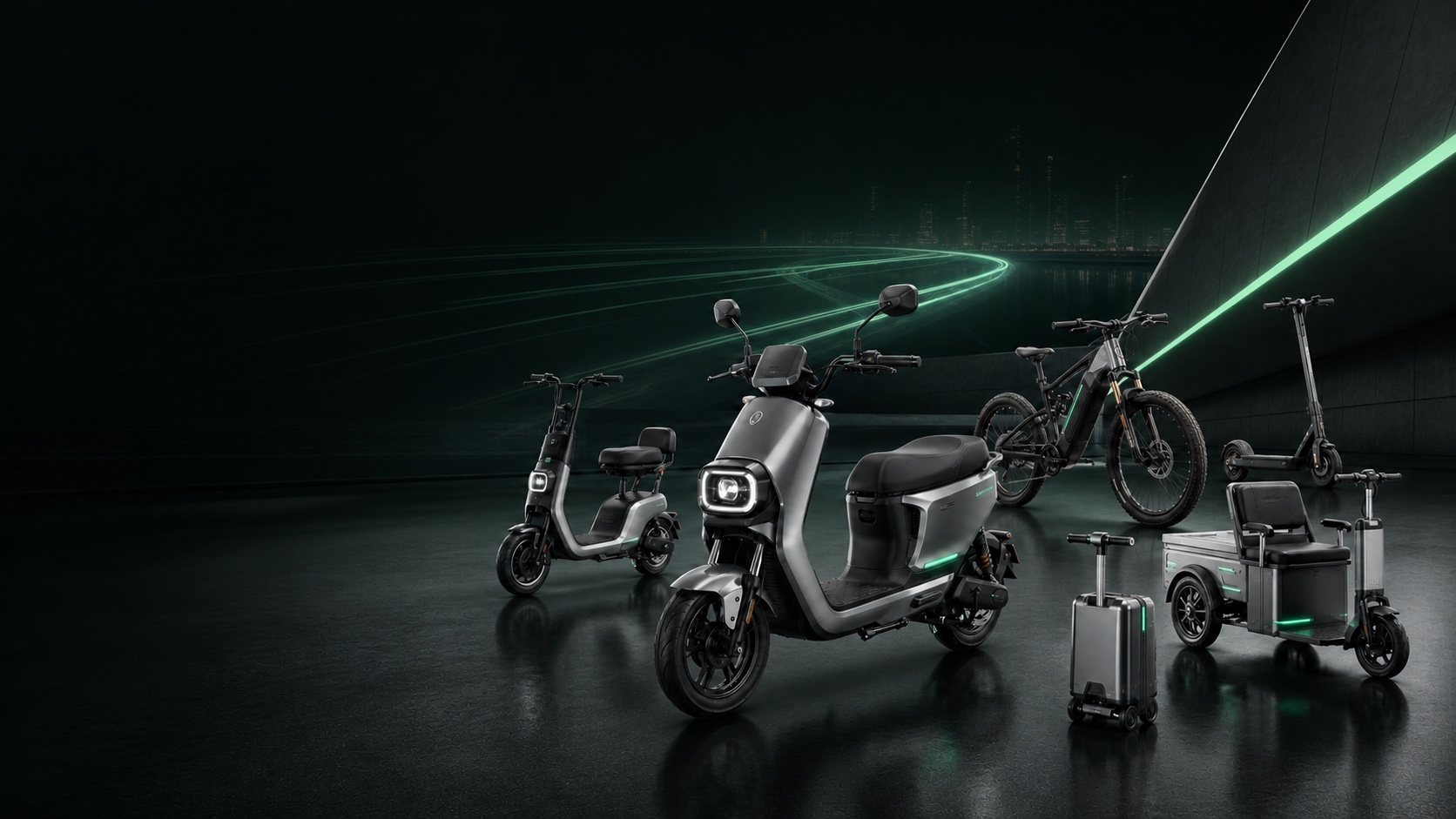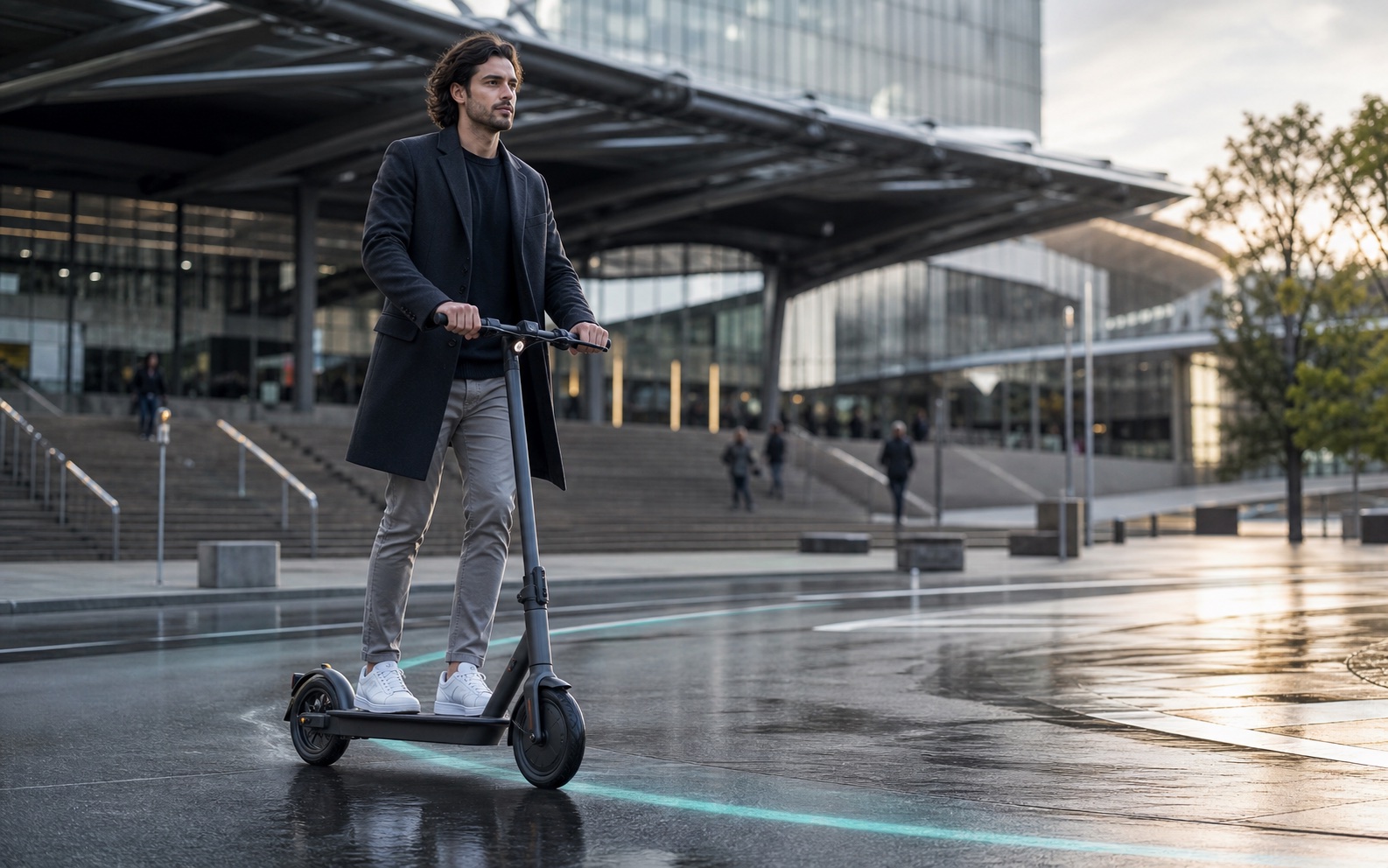

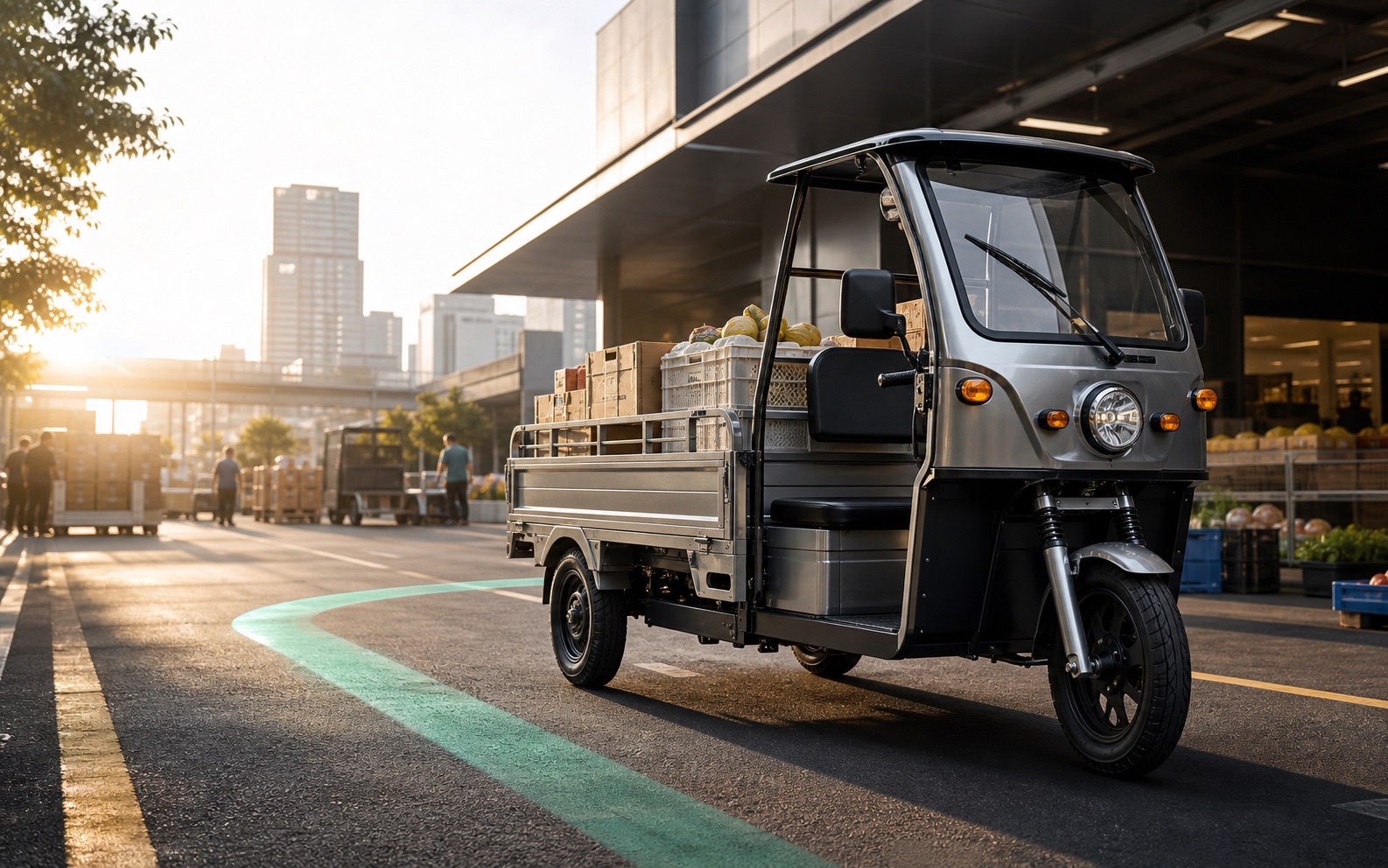
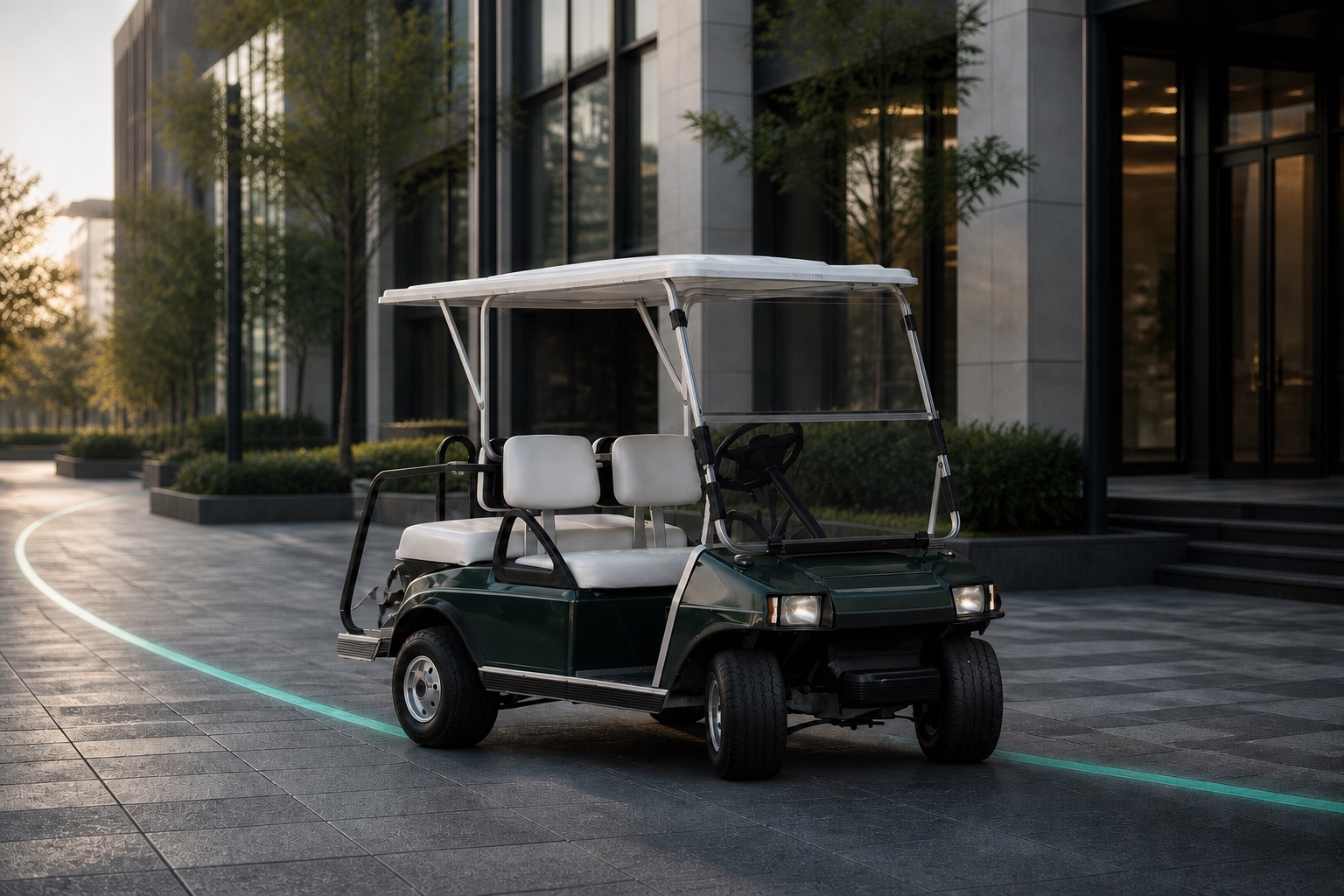

A light electric mobility ecosystem including electric motorcycles, e-bikes, scooters, utility vehicles and smart travel products
SELECTED MOBILITY ECOSYSTEM01
Market Entry · Supply Chain · Growth

Entering light electric mobilitystarts with the right decision

NIRU assesses the market opportunity, your business fit and the right entry strategy before using selected Chinese supply chains to choose products, run a controlled pilot and build long-term growth.

Market and client assessmentProduct entry strategySupply chain matchingFirst-order executionLong-term growth
The NIRU Model

Understand NIRUand a better way to enter the market

From deciding whether the opportunity fits, to choosing the first products, matching the Chinese supply chain, completing a controlled pilot and building a lasting business.

NIRU overview video cover
A NEW WAY TO ENTER MOBILITY

Do not begin with a quotationbegin with the right decision

NIRU does not hand clients a list of factories. We guide the full process, from the first entry decision to a working long-term business.

The Missing Decision Layer

Finding a factoryis not the same as finding the right business path

A factory knows what it can make. You still need an independent view on what fits your market, what should come first and how much risk to take at the start.

01

Supply questions

Products, base prices, minimum quantities, lead times and available customization.

BUSINESS DECISION
What a factory cannot assess independently

Whether its product fits your market and channels, which category should come first, and whether now is the right time to enter.

What the client must decide

The role to play, the first product, the right price range and a sensible level of initial investment.

Where NIRU adds value

We assess the market, the client's capabilities and the entry model, then compare products, configurations and supply chain options.

Design the right path first. Match the right supply chain second.
NIRU Method

From first assessment to growthone connected path to market

Each stage resolves one business decision and produces what is needed to move to the next.

01 / JUDGE

Assess

Evaluate the market opportunity, the client's existing resources and the business fit. Define what makes sense now and what does not.

02 / DESIGN

Design

Set the target users, product sequence, price range, first assortment, pilot scale and development path.

03 / EXECUTE

Execute

Select the Chinese supply chain and coordinate product comparison, specifications, samples, quotations and the first order.

04 / GROW

Grow

Use market feedback to refine the offer, expand the range and develop distribution, brand or local supply chain opportunities.

Choose Your Starting Point

Start with the paththat matches your current stage

A client still defining the opportunity should not follow the same process as a buyer with confirmed product requirements.

A

I am not yet surehow to enter

For clients who have not entered the sector, have local resources but no clear product direction, or need to decide whether the opportunity merits investment.

  • Initial market and business-fit assessment
  • Possible entry roles and models
  • Questions to validate first
  • Investments to avoid at this stage
Request a market-entry assessment
B

I have clearproduct requirements

For clients who know the category, target market, specification direction and expected quantity, and are preparing for samples or a first order.

  • Product and specification review
  • Supplier selection and option comparison
  • Sample and quotation coordination
  • First-order feasibility assessment
Submit product requirements
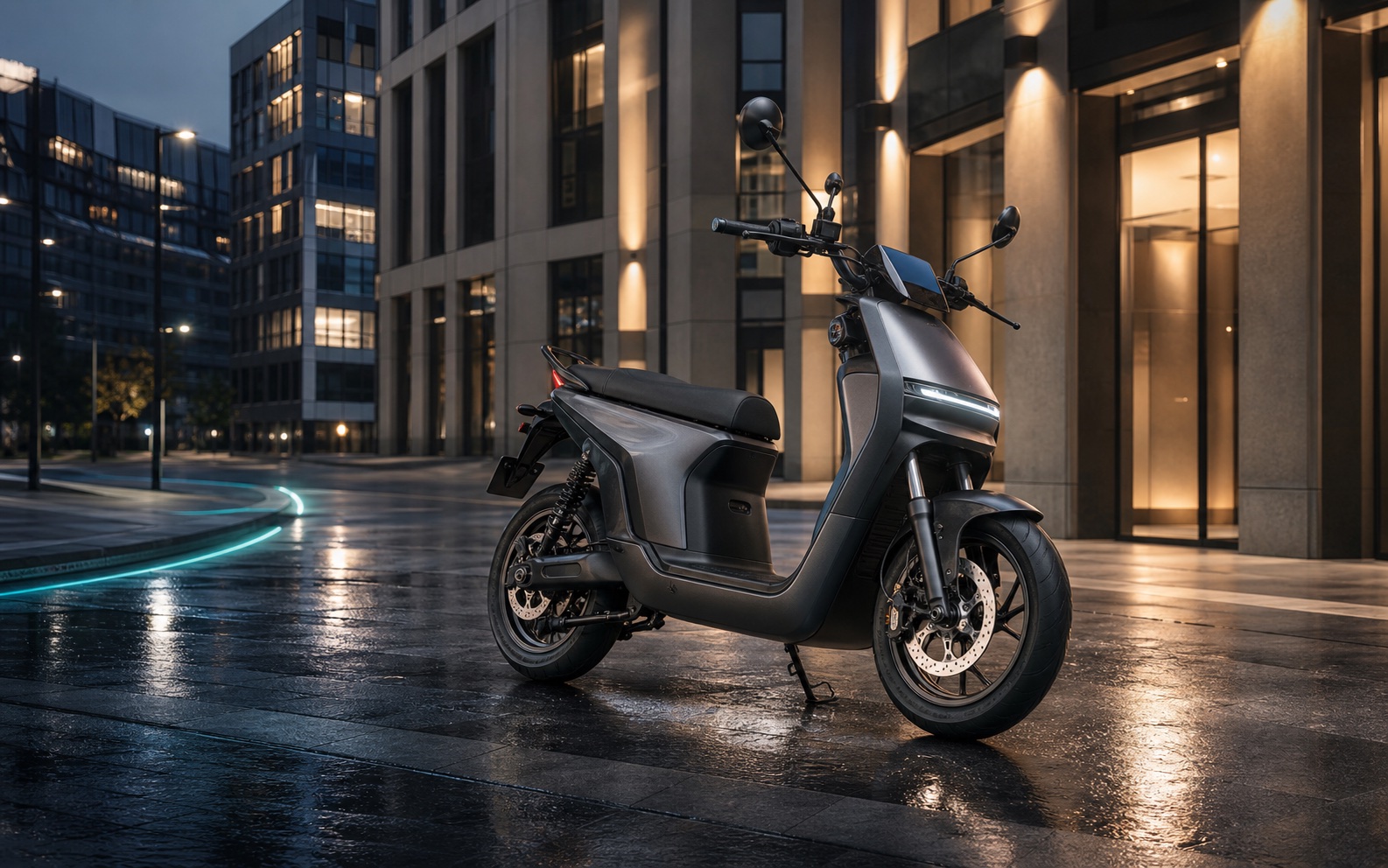
Flagship electric two-wheeler concept
Mature channels · Brand partnerships

Flagship electric two-wheelers

Designed to build brand presence and channel confidence for clients with established sales capabilities and a need for differentiation.

Concept image illustrating a product direction. Specific models and specifications are confirmed in the formal proposal.
Long-term Business

From market validationto a durable business

Each step should be earned by real market feedback, stronger channel capability and a more stable supply chain.

01Market validation
02Single-product pilot
03Product portfolio
04Repeat purchasing
05Regional distribution
06Brand partnership
07Localized supply chain

NIRU helps clients move forward when the evidence supports it, instead of taking unnecessary scale risk at the beginning.